One summer evening as I was cooking dinner, there was a knock at the door. I opened it and saw an old man. But his voice was pleasant as he said, “Good evening. I come to see if you have a room for just one night. I live far away from here, and there's no bus till next morning. ” I told him we would find him a bed, but it was not comfortable. I went inside and cooked dinner. When we were ready, I asked him if he would like to join us. “No, thank you. I have plenty.” When I had finished the dinner, I went out to talk with him. He told me he fished for a living to help his daughter, her five children, and her husband, who was ill and too weak to do anything. At bedtime, we put a bed in the children's room for him. On his next trip, as a gift, he brought a big fish and some fresh vegetables. In the years he came to stay overnight with us, and there was never a time he did not bring us some fish or vegetables from his garden. I know it was thankful for our family to know him, from whom we learn what was to accept the bad without a complaint( 抱怨 ) and the good with thanks. 1Why did the old man go to the writer's house? A. To give a fish to the writer. B. To stay for the night. C. To sell some fish. D. To ask for some money. 2 How many people were there in the old man's daughter's family? A. Two. B. Four. C. Six. D. Seven. 3 Which of the following is true? A. The old man stayed for the night with the writer only once. B. The old man came to the writer's house to ask for some food. C. The old man came to stay with the writer for the night many times. D. The old man felt lonely because he had no son or daughter. British people are famous for drinking tea. But brother and sister, Sarah and Bobby Green, became young millionaires ( 百万富翁 ) when they opened a chain of American-style coffee shops in the UK. Having the idea : It started when Sarah took a weekend trip to New York to visit her brother Bobby. One evening, in a Thai restaurant, Sarah told Bobby how much she wished she could buy American-style coffee in London. Bobby suggested they started their own coffee shop. Sarah fell in love with the idea. Doing the research : Back in London, she spent a whole day on the London subway, getting off the train at different stations to taste the coffee. “It was terrible, and I knew there was a gap ( 空缺 ) in the market.” In 1995, they opened their first Coffee Republic shop in the center of London. Making it work : The first year was very difficult. British people were not used to the names of American coffees, like latte and macchiato. But being successful was their dream and they were not going to give up. Today, there are over 100 Coffee Republic shops all over the country and the company has £ 30 million a year. Advice for others : Sarah has now written a best-selling book about their experience, called Anyone Can Do It ! She hopes it will help other young people to start their own businesses. She says, “If you think you have the energy, then get out and follow your dream.” 4What kind of company do they run?A. A fast-food restaurant. B. A tea shop. C. A coffee shop. D. A big hotel. 5 Where are their Coffee Republic shops?A. All over the UK. B. All over the US. C. In the center of London. D. In New York. 6Which information is mentioned in the passage? A. Sarah was not interested in Bobby’s idea. B. British people never drank coffee before 1995. C. Sarah’s best-selling book is about how to make coffee. D. Sarah found a business chance while doing the research. Most people around the world are right-handed. This also seems to be true in history. In 1799, scientists studied works of art made at different times from 1,500 B. C. to the 1950s. Most of the people shown in these works are right-handed, so the scientists guessed that right-handedness has always been common through history. Today, only about 10% to 15% of the world's population is left-handed. Why are there more right-handed people than left-handed ones? Scientists now know that a person's two hands each have their own jobs. For most people, the hand is used to find things or hold things. The right hand is used to work with things. This is because of the different work of the two sides of the brain( 脑 ) . The right side of the brain, which makes a person's hands and eyes work together, controls( 控制 ) the left hand. The left-side of the brain, which controls the right hand, is the centre for thinking and doing problems. These findings show that more artists should be left-handed, and studies have found that left-handedness is twice as common among artists as among people in other jobs. No one really knows what makes a person become right-handed instead of left-handed. Scientists have found that almost 40% of the people become left-handed because their main brain is damaged( 伤害 ) when they are born. However, this doesn't happen to everyone, so scientists guess there must be another reason why people become left-handed. One idea is that people usually get right-handed from their parents. If a person does not receive the gene( 基因 )for right-handedness, he/she may become either right-handed or left-handed according ( 根据 )to the chance and the people they work or live with. Though right-handedness is more common than left-handedness, people no longer think left-handed people are strange or unusual. A long time ago, left-handed children were made to use their right hands like other children, but today they don't have to. 7 After studying works of art made at different times in history, the scientists found ____________. A. the art began from 1,500 B. C. B. the works of art ended in the 1950s C. most people shown in the works of art are right-handed D. most people shown in the works of art are left-handed 8 How many people in the world are left-handed now? A. Less than one sixth. B. More than a half. C. About 40%. D. The passage doesn't tell us. 9 According to the passage, which of the following is NOT true?A. No one really knows what makes a person become right-handed. B. Scientists think there must be some reason why people become left-handed. C. Today children are not made to use their right hands only. D. Left-handedness is cleverer than right-handedness. 10 What is the best title for this passage? A. Left-handed People B. Scientists' New Inventions C. Which Hand D. Different Brains, Different Hands
One summer evening as I was cooking dinner, there was a knock at the door. I opened it and saw an old man. But his voice was pleasant as he said, “Good evening. I come to see if you have a room for just one night. I live far away from here, and there's no bus till next morning. ”
I told him we would find him a bed, but it was not comfortable. I went inside and cooked dinner. When we were ready, I asked him if he would like to join us. “No, thank you. I have plenty.” When I had finished the dinner, I went out to talk with him. He told me he fished for a living to help his daughter, her five children, and her husband, who was ill and too weak to do anything.
At bedtime, we put a bed in the children's room for him. On his next trip, as a gift, he brought a big fish and some fresh vegetables. In the years he came to stay overnight with us, and there was never a time he did not bring us some fish or vegetables from his garden.
I know it was thankful for our family to know him, from whom we learn what was to accept the bad without a complaint( 抱怨 ) and the good with thanks.
1Why did the old man go to the writer's house?
A. To give a fish to the writer. B. To stay for the night.
C. To sell some fish. D. To ask for some money.
2 How many people were there in the old man's daughter's family?
A. Two. B. Four. C. Six. D. Seven.
3 Which of the following is true?
A. The old man stayed for the night with the writer only once.
B. The old man came to the writer's house to ask for some food.
C. The old man came to stay with the writer for the night many times.
D. The old man felt lonely because he had no son or daughter.
British people are famous for drinking tea. But brother and sister, Sarah and Bobby Green, became young millionaires ( 百万富翁 ) when they opened a chain of American-style coffee shops in the UK.
Having the idea : It started when Sarah took a weekend trip to New York to visit her brother Bobby. One evening, in a Thai restaurant, Sarah told Bobby how much she wished she could buy American-style coffee in London. Bobby suggested they started their own coffee shop. Sarah fell in love with the idea.
Doing the research : Back in London, she spent a whole day on the London subway, getting off the train at different stations to taste the coffee. “It was terrible, and I knew there was a gap ( 空缺 ) in the market.” In 1995, they opened their first Coffee Republic shop in the center of London.
Making it work : The first year was very difficult. British people were not used to the names of American coffees, like latte and macchiato. But being successful was their dream and they were not going to give up. Today, there are over 100 Coffee Republic shops all over the country and the company has £ 30 million a year.
Advice for others : Sarah has now written a best-selling book about their experience, called Anyone Can Do It ! She hopes it will help other young people to start their own businesses. She says, “If you think you have the energy, then get out and follow your dream.”
4What kind of company do they run?
A. A fast-food restaurant. B. A tea shop.
C. A coffee shop. D. A big hotel.
5 Where are their Coffee Republic shops?
A. All over the UK. B. All over the US.
C. In the center of London. D. In New York.
6Which information is mentioned in the passage?
A. Sarah was not interested in Bobby’s idea.
B. British people never drank coffee before 1995.
C. Sarah’s best-selling book is about how to make coffee.
D. Sarah found a business chance while doing the research.
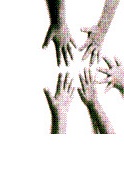 Most people around the world are right-handed. This also seems to be true in history. In 1799, scientists studied works of art made at different times from 1,500 B. C. to the 1950s. Most of the people shown in these works are right-handed, so the scientists guessed that right-handedness has always been common through history. Today, only about 10% to 15% of the world's population is left-handed.
Why are there more right-handed people than left-handed ones? Scientists now know that a person's two hands each have their own jobs. For most people, the hand is used to find things or hold things. The right hand is used to work with things. This is because of the different work of the two sides of the brain( 脑 ) . The right side of the brain, which makes a person's hands and eyes work together, controls( 控制 ) the left hand. The left-side of the brain, which controls the right hand, is the centre for thinking and doing problems. These findings show that more artists should be left-handed, and studies have found that left-handedness is twice as common among artists as among people in other jobs.
No one really knows what makes a person become right-handed instead of left-handed. Scientists have found that almost 40% of the people become left-handed because their main brain is damaged( 伤害 ) when they are born. However, this doesn't happen to everyone, so scientists guess there must be another reason why people become left-handed. One idea is that people usually get right-handed from their parents. If a person does not receive the gene( 基因 )for right-handedness, he/she may become either right-handed or left-handed according ( 根据 )to the chance and the people they work or live with.
Though right-handedness is more common than left-handedness, people no longer think left-handed people are strange or unusual. A long time ago, left-handed children were made to use their right hands like other children, but today they don't have to.
7 After studying works of art made at different times in history, the scientists
found ____________.
A. the art began from 1,500 B. C.
B. the works of art ended in the 1950s
C. most people shown in the works of art are right-handed
D. most people shown in the works of art are left-handed
8 How many people in the world are left-handed now?
A. Less than one sixth. B. More than a half.
C. About 40%. D. The passage doesn't tell us.
9 According to the passage, which of the following is NOT true?
A. No one really knows what makes a person become right-handed.
B. Scientists think there must be some reason why people become left-handed.
C. Today children are not made to use their right hands only.
D. Left-handedness is cleverer than right-handedness.
10 What is the best title for this passage?
A. Left-handed People B. Scientists' New Inventions
C. Which Hand D. Different Brains, Different Hands
题目解答
答案
文章大意:本文讲了作者留宿了一个老人,老人钓鱼为生,为了他的女儿,后来老人拿来鱼和蔬菜表示感谢,此后,老人和作者成为了朋友,觉得我们应该像老人一样,对不幸的事要学着接受,不要抱怨。
1.答案:B
解析:问题是老人问什么来到作者家?原文说I come to see if you have a room for just one night,我过来问问,你有没有一个房间可以让我住一晚,所以 应该是为了留下来过夜。
2.答案:D
解析:老人女儿家有多少口人?原文说 He told me he fished for a living to help his daughter, her five children, and her husband, who was ill and too weak to do anything.他告诉我他钓鱼为生以帮助他的女儿,他的女儿有五个孩子,他的丈夫生病了,不能做事儿,所以女儿家一共七口人。
3.答案:C
解析:哪个说法是正确的,根据原文, In the years he came to stay overnight with us这些年里,他都来和我们一起过夜,所以C项正确。
文章大意:讲了两兄妹创业在英国开美式连锁咖啡馆的成功故事,告诉我们要追随自己的梦想。
4.答案:C
解析:他们想经营哪种公司?根据原文 Bobby suggested they started their own coffee shop,鲍勃建议他们自己应该开一个咖啡店,所以应该选C.
5.答案:A
解析:他们的咖啡共和国商店开在哪里?根据原文,Today, there are over 100 Coffee Republic shops all over the country ,如今,他们在整个国家有超过100家店,可知是遍布整个英国。
6.答案:D
解析:下列哪项在文章中提到过?A.萨拉对鲍勃的主意不感兴趣,根据原文,Sarah fell in love with the idea萨拉爱上了这个主意,所以不符合,B.英国人在1995年前从不喝咖啡, Back in London, she spent a whole day on the London subway, getting off the train at different stations to taste the coffee.回到伦敦,她在地铁里待了一整天,在不同的车站下车品尝咖啡,所以不符合。C.萨拉写了一本书关于怎么制作咖啡,根据原文Sarah has now written a best-selling book about their experience,,她写了一本畅销书关于他们的经历,所以不符合,D.萨拉调查的时候发现了商机,根据原文萨拉尝了咖啡以后说,“It was terrible, and I knew there was a gap ( 空缺 ) in the market.”,太糟糕了,市场仍然有空缺,故D符合。
文章大意:写了一项关于左撇子,右撇子的研究,以及分析了为什么有的人喜欢用左手,有些习惯用右手,以及现在人们已经不把左撇子视作异常并加以纠正了。
7.答案:C
解析:在研究了不同时期的艺术品后,科学家发现?In 1799, scientists studied works of art made at different times from 1,500 B. C. to the 1950s. Most of the people shown in these works are right-handed,1799年,科学家们研究了从公元1500年到1950年不同时期的艺术作品,这些作品显示大多数人是右撇子,故选C.
8.答案:A
解析:现在世界上有多少人是左撇子?根据原文, Today, only about 10% to 15% of the world's population is left-handed.,现在,只有百分之10到百分之15的人是左撇子,故A项目少于六分之一符合.
9.答案:D
解析:哪一项不正确?C项现在的孩子不要求只使用右手,跟原文A long time ago, left-handed children were made to use their right hands like other children, but today they don't have to,很久以前,左撇子要求像其他孩子一样使用右手,但是现在不必了相矛盾。
10.答案:C
解析:本文最好的标题,本文既讲了右撇子,又讲了左撇子,以及是由于受不同大脑控制的原因,所以C项“哪只手?"最符合。
解析
本文包含三篇阅读材料,分别考查对细节信息的理解、推理判断及主旨大意的把握。
第一篇:老人生日留宿故事
-
题目1:老人为何到作者家?
原文明确提到“I come to see if you have a room for just one night”,说明老人是为了留宿过夜。答案:B -
题目2:老人女儿家有几口人?
文中提到“help his daughter, her five children, and her husband”,即女儿、5个孩子、丈夫,共7人。答案:D -
题目3:哪项正确?
原文“In the years he came to stay overnight with us”说明老人多次留宿,C项正确;A项“仅一次”错误;B项“求食物”错误,老人自带食物;D项“孤独”未提及。答案:C
第二篇:兄妹开咖啡店创业
-
题目4:他们经营什么公司?
文中“opened a chain of American-style coffee shops”及“Coffee Republic shop”明确是咖啡店。答案:C -
题目5:咖啡店位置?
原文“all over the country”(英国),对应“All over the UK”。答案:A -
题目6:哪项被提及?
A项“不感兴趣”错误,Sarah“fell in love with the idea”;B项“从不喝咖啡”错误,Sarah尝过咖啡;C项“教做咖啡”错误,书是关于创业经历;D项“调研发现商机”正确,Sarah调研后发现市场空缺。答案:D
第三篇:左右撇子研究
-
题目7:研究艺术品的发现?
原文“Most of the people shown in these works are right-handed”,直接对应C项。答案:C -
题目8:左撇子比例?
文中“only about 10% to 15%”,即少于1/6(≈16.7%),A项正确。答案:A -
题目9:哪项错误?
D项“左撇子更聪明”未提及,文中无此比较;A、B、C均符合原文。答案:D -
题目10:最佳标题?
文章围绕左右撇子展开,C项“哪只手?”最概括全文。答案:C