The rising costs of health care have become a problem for many countries in the world. To deal with this problem, it is recommended that a big part of the government's health budget be used for health education and disease prevention instead of treatment. Actually, many kinds of diseases are preventable in many ways and preventing a disease is usually much cheaper than treating it. For example, people could avoid catching a cold if they dressed warmly when the weather starts getting cold. But many people get sick because they fail to do so, and have to spend money seeing a doctor.Daily habits like eating more healthy food would have kept millions of families from becoming bankrupt if the patients had taken measures for early prevention. For instance, keeping a balanced diet, such as not consuming too much animal fat and insuring a steady intake of vegetables and fruits, seems to be quite important.One very effective and costless way of prevention is regular exercise, which is necessary for a healthy mind and body. Regular exercise, such as running, walking, and playing sports is a good way to make people feel better or reduce stress.In addition, health education plays a key role in improving people's health. By giving people more information about health, countries could help people understand the importance of disease prevention and ways to achieve it. For example, knowing one's family medical history is an effective way to help keep healthy. Information about health problems among close relatives will make them aware of what they should do to prevent certain diseases through lifestyle changes, which will work before it is too late.However, stressing disease prevention does not mean medical treatment is unimportant. After all, prevention and treatment are just two different means toward the same effect. In conclusion, we could save money on health care and treat patients more successfully if our country spends more money on health prevention and education.1. What's the best title of the passage? A.Prevention or Education?B.Prevention or Treatment?C.Health or Illness?D.Exercise or Illness?2. Which of the following can replace the underlined word " bankrupt"? A.Unable to be curedB.Unable to pay one's debtsC.Stronger than ever beforeD.More successful than ever before3. We learn from the passage that____.A.dressing warmly can prevent diseasesB.a balanced diet is cheaper than regular exerciseC.the more health education, the betterD.the government's health budget should be increased4. Which of the following shows the structure of the passage? CP: Central Point P: Point Sp: Sub-point(次要点) C: ConclusionA.CP-|||-P1) (P2 )-|||-SP )-|||-CB.CP-|||-P1) (P2 )-|||-SP )-|||-CC.CP-|||-P1) (P2 )-|||-SP )-|||-CD.CP-|||-P1) (P2 )-|||-SP )-|||-C
The rising costs of health care have become a problem for many countries in the world. To deal with this problem, it is recommended that a big part of the government's health budget be used for health education and disease prevention instead of treatment. Actually, many kinds of diseases are preventable in many ways and preventing a disease is usually much cheaper than treating it. For example, people could avoid catching a cold if they dressed warmly when the weather starts getting cold. But many people get sick because they fail to do so, and have to spend money seeing a doctor.
Daily habits like eating more healthy food would have kept millions of families from becoming bankrupt if the patients had taken measures for early prevention. For instance, keeping a balanced diet, such as not consuming too much animal fat and insuring a steady intake of vegetables and fruits, seems to be quite important.
One very effective and costless way of prevention is regular exercise, which is necessary for a healthy mind and body. Regular exercise, such as running, walking, and playing sports is a good way to make people feel better or reduce stress.
In addition, health education plays a key role in improving people's health. By giving people more information about health, countries could help people understand the importance of disease prevention and ways to achieve it. For example, knowing one's family medical history is an effective way to help keep healthy. Information about health problems among close relatives will make them aware of what they should do to prevent certain diseases through lifestyle changes, which will work before it is too late.
However, stressing disease prevention does not mean medical treatment is unimportant. After all, prevention and treatment are just two different means toward the same effect. In conclusion, we could save money on health care and treat patients more successfully if our country spends more money on health prevention and education.
1. What's the best title of the passage?
A.Prevention or Education?
B.Prevention or Treatment?
C.Health or Illness?
D.Exercise or Illness?
2. Which of the following can replace the underlined word " bankrupt"?
A.Unable to be cured
B.Unable to pay one's debts
C.Stronger than ever before
D.More successful than ever before
3. We learn from the passage that____.
A.dressing warmly can prevent diseases
B.a balanced diet is cheaper than regular exercise
C.the more health education, the better
D.the government's health budget should be increased
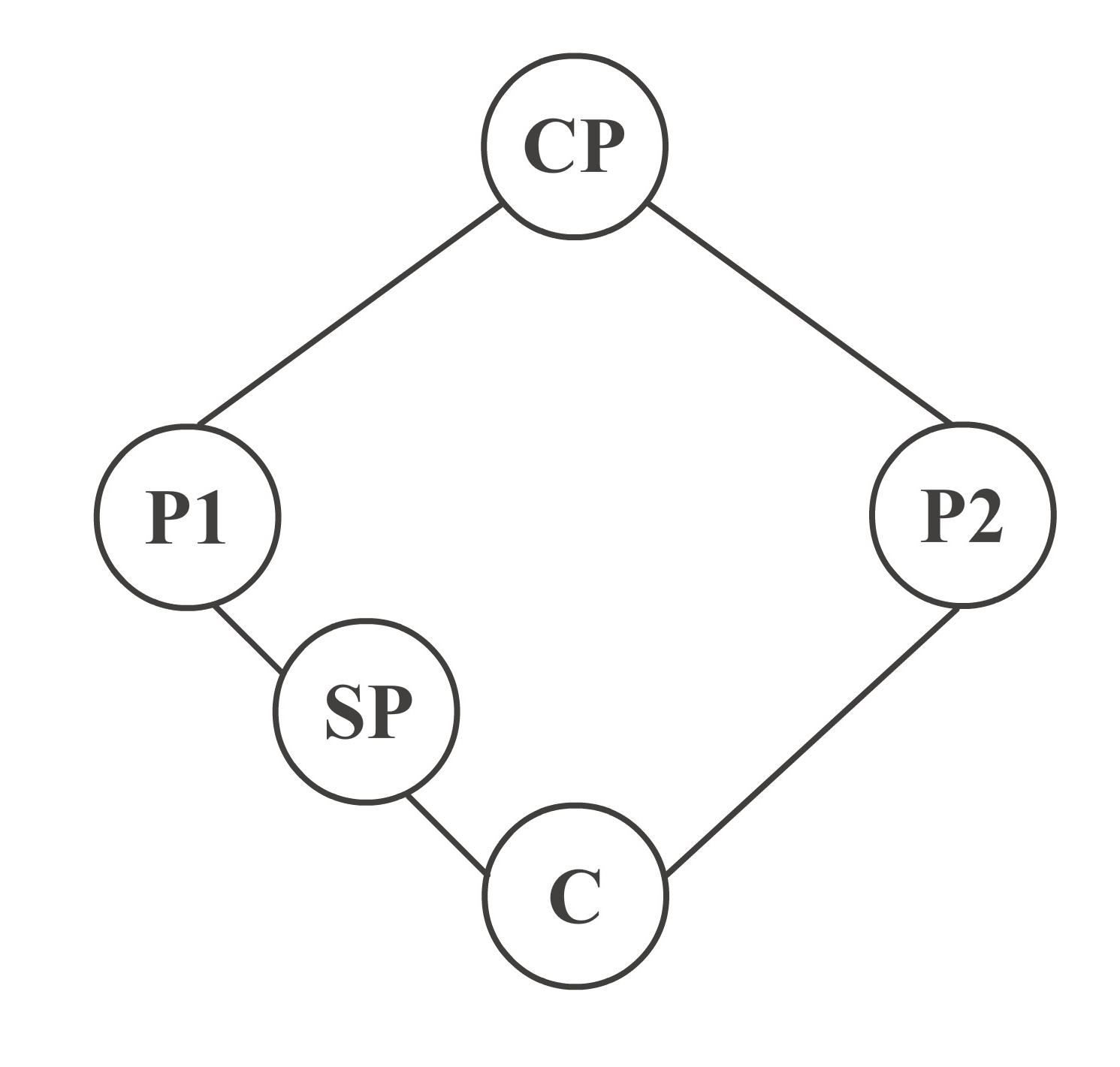
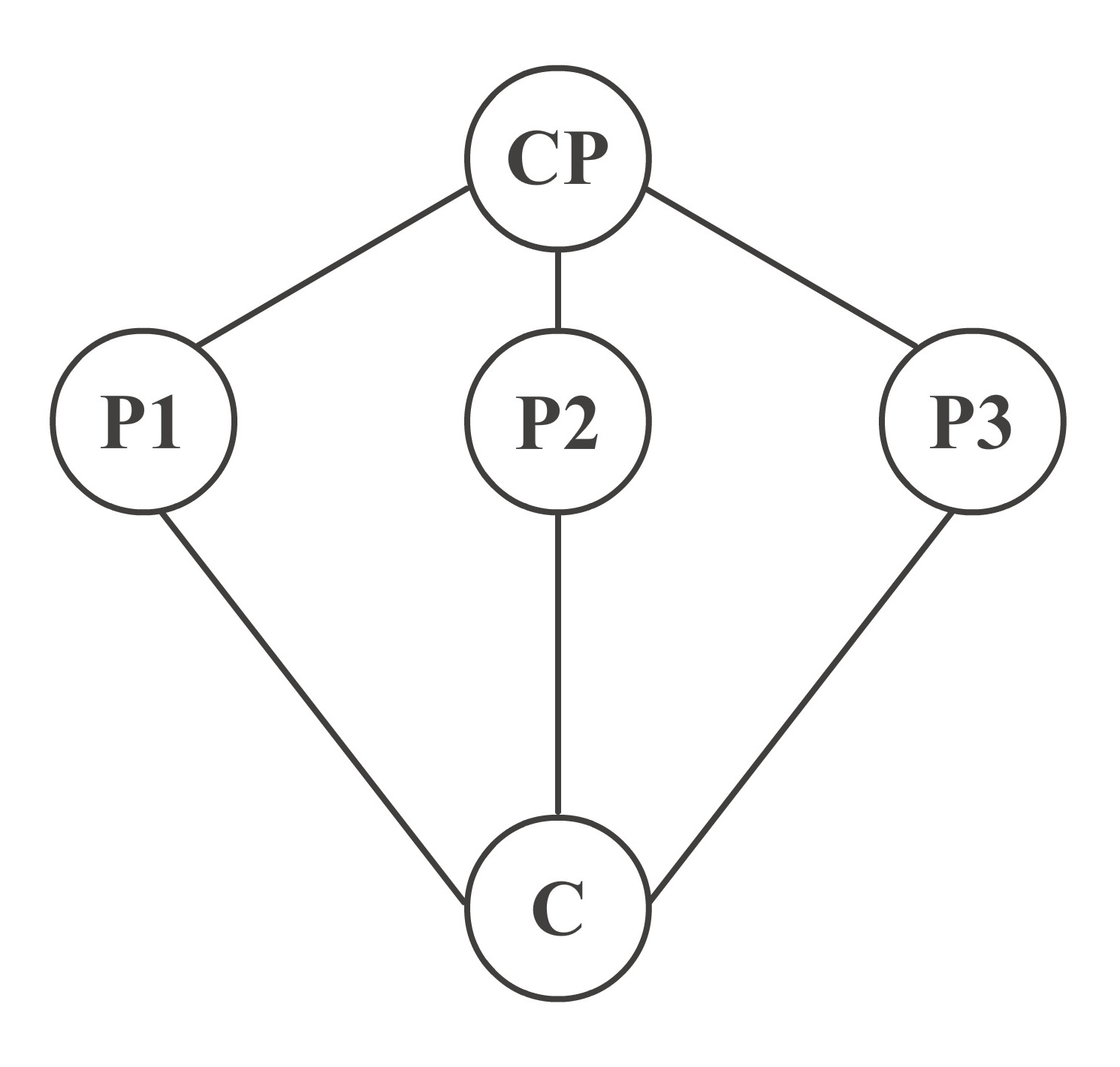
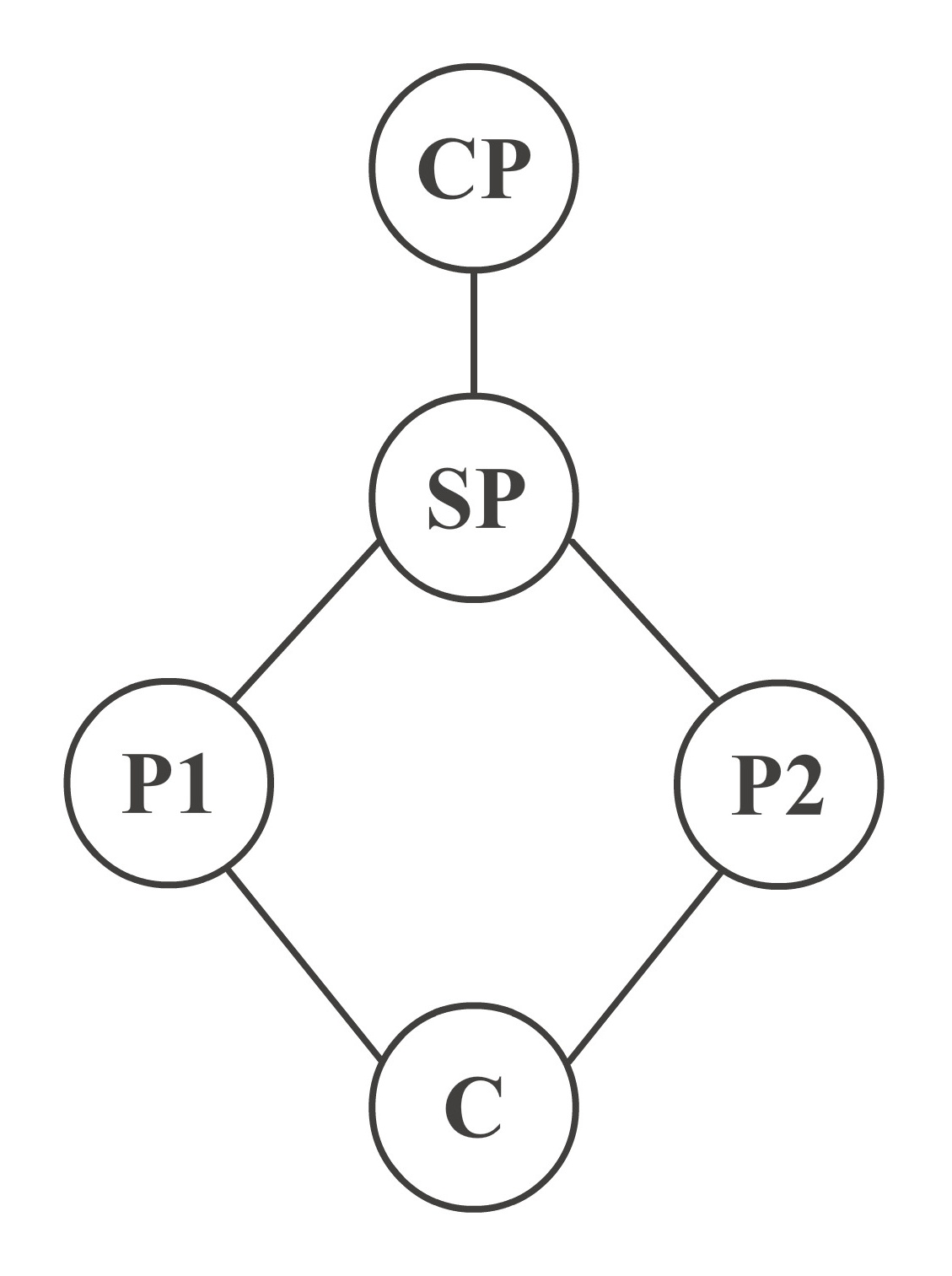
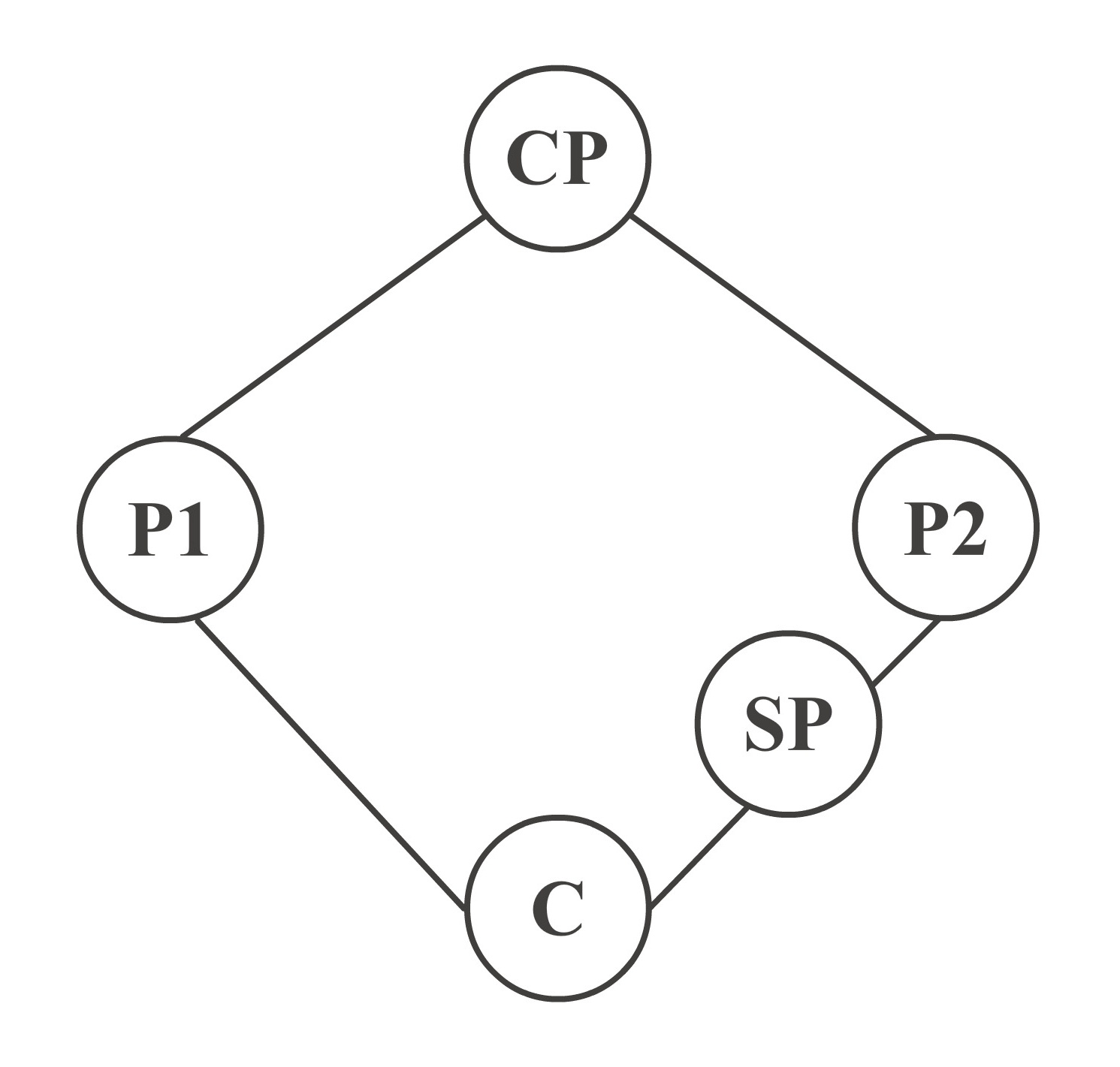
4. Which of the following shows the structure of the passage?
CP: Central Point P: Point Sp: Sub-point(次要点) C: Conclusion
A.
B.
C.
D.
题目解答
答案
1. B
2. B
3. C
4. B
解析
核心主旨:本文通过对比疾病预防与治疗的成本,强调预防疾病的重要性,并提出健康教育和日常习惯在预防中的关键作用。
结构分析:文章采用总分总结构,先提出论点(预防比治疗更经济),再分述预防措施(健康饮食、运动、健康教育),最后总结预防与治疗的互补关系。
考查要点:
- 标题归纳需抓住文章核心对比(预防 vs 治疗);
- 词义推断需结合上下文语境(经济困境);
- 细节判断需提炼文章隐含观点(健康教育的价值);
- 结构分析需识别段落间的逻辑关系(中央点→分论点→结论)。
第1题
关键思路:文章反复对比“预防”与“治疗”的成本差异,强调预防更高效。选项B“Prevention or Treatment?”直接对应文章核心对比,而其他选项(如A的“Education”、C的“Health vs Illness”)未突出对比焦点。
第2题
词义推断:原文“bankrupt”前文提到“eating more healthy food”,后文隐含疾病导致经济负担,故“bankrupt”指因医疗费用陷入债务危机,对应选项B“Unable to pay one's debts”。
第3题
细节判断:文章最后一段明确指出“健康教育能帮助人们理解预防的重要性”,选项C“the more health education, the better”符合作者观点。其他选项(如A、D)为局部事实,未体现文章核心结论。
第4题
结构分析:文章结构为:
- Central Point(首段提出预防比治疗更重要)
- Point 1(健康饮食)→ Point 2(运动)→ Point 3(健康教育)
- Conclusion(预防与治疗互补)
对应选项B“CP P1 P2 P3 C”。