阅读理解 (共15小题,30分)A Types of MapsKEY-|||-re Zoo-|||-Swimming-|||-pool-|||-LibraryDifferent types of maps have different uses. Tourist maps, for example, have signs to show places of interest in an area. When tourists read these maps, it is easy for them to find where to go and what to see in a place and it is easy for them to go and find their ways to these places.Road maps show large areas so that people can plan long journeys. Different types of roads are given different numbers. For example, if you want to go to Wood Green, you just follow No. 621 Road and keep looking at the road signs.KEY-|||-re Zoo-|||-Swimming-|||-pool-|||-LibraryDistribution maps (分布图) use colors or signs to show facts about an area. For example, where different languages are spoken, how many people live in an area, how cold and hot some places are, or whether a place is short of water.KEY-|||-re Zoo-|||-Swimming-|||-pool-|||-LibrarySome maps, such as railway maps, use straight lines to show everything. This is easy for people to read. Trains are fast. People don’t have to think about small places they go past. They just need to know the two ends of their trips.46. Jim is visiting the Summer Palace. Which map does he need most?A. A tourist map. B. A road map.C. A distribution map. D. A railway map.47. How can you tell different roads on road maps?A. By using different colors. B. By finding the numbers.C. By following No. 621 Road. D. By looking at the road signs.48. Which of the following can distribution maps tell us?A. How to get to Germany. B. How to plan a long journey.C. Where a famous museum is. D. Which place is short of water.49. Why do railway maps use straight lines?A. Because railways are straight. B. Because people like straight lines.C. Because people can read them easily. D. Because railways have only two ends.BThere are many kinds of heroes. Even animals can be heroes. This month’s newsletter tells about three amazing animals. Each one is a hero!Thumper the DogKEY-|||-re Zoo-|||-Swimming-|||-pool-|||-LibraryThumper was a dog that lived with a family which had a three-year-old son named Benjamin. One day Benjamin wandered into a large field. The grass in the field was taller than he was, so he could not find his way out. Hundreds of people began to search for Benjamin. When they found him, they saw Thumper stayed with Benjamin and kept him warm. So Benjamin had stayed safe and calm.KEY-|||-re Zoo-|||-Swimming-|||-pool-|||-LibraryLulu the PigThe Altsmans had a pet pig named Lulu. One summer the couple went camping and took Lulu with them. The husband went fishing one morning. The wife didn’t feel well, so she and Lulu stayed in the camper. Suddenly Mrs. Altsman fell to the floor. Lulu pushed the camper door open and climbed out to locate help. When a car came by, she lay down in front of it. When the driver got out, Lulu led him back to the camper. The man called for help and Mrs. Altsman was taken to hospital.KEY-|||-re Zoo-|||-Swimming-|||-pool-|||-LibrarySugar the CatSugar was a beautiful cat. Three years ago she wandered onto the Woods’ farm in California and Mrs. Woods began feeding her. Mrs. Woods noticed something wrong with the cat’s left leg, but this didn’t make Sugar any less special. Mrs. Woods loved Sugar. Later the couple moved to a new farm in Oklahoma. They gave Sugar to a neighbor who would take good care of her, because they knew she wouldn’t like riding in cars for days. However, Sugar walked across deserts and mountains and traveled more than 1,500 miles to the Woods’ new farm! Mr. and Mrs. Woods could hardly believe their eyes. No one knows how Sugar found her way to Oklahoma.50. What is the passage mainly about?A. Lovely pigs. B. Unknown heroes. C. New friends. D. Amazing animals.51. How did Thumper help Benjamin?A. By searching for him in the field. B. By finding the way out for him.C. By staying with him all the time. D. By cutting the grass around him.52. Why did Lulu lie down on the road?A. To get help. B. To watch the cars. C. To have a sleep. D. To ask for a lift.53. What did Sugar do in the story?A. Sugar tried to find help. B. Sugar protected her owners.C. Sugar went camping with her owners.D. Sugar went a long way to find her owners.C Frederick Law OlmstedFrederick Law Olmsted was born on April 26, 1822, and grew to become nineteenth-century America’s number one landscape (景观) architect. Bad eyesight forced him to abandon his plans to attend university, so he had to choose a new course for his life. As a boy in Hartford, Connecticut, he had always admired natural beauty. So, instead of studying academics, he decided to focus on engineering and farming. In the 1850s, he ended up in charge of creating Central Park in New York City.Olmsted and a partner entered a design contest for a new park and won with a design patterned after gardens and natural landscapes that Olmsted had seen and admired around the world. To create the new park, they removed nearly 5 million cubic yards of dirt, blew up rock with 260 tons of gunpowder, and planted 270,000 trees and shrubs. In 1864, New Yorkers could have walks along wooded paths, paddle a boat around the lake, or people-watch from the hills. Today, many people cannot imagine New York City without its Central Park.Maybe it was watching those people enjoy his creation that inspired Olmsted. He became one of the first members of designing committee of Yosemite National Park because he was determined to protect its breathtaking beauty. He did the same for Niagara Falls and helped turn it into a public reserve. Working well into his seventies, Olmsted designed more parks and even an entire Chicago suburb (郊区), Riverside. And to think that bad eyesight led him to create such beautiful places!54. Which of the following shows what Olmsted did in time order?a. He studied engineering and farming. b. He took charge of creating Central Park.c. He gave up his plans to go to university. d. He took part in the designing of Yosemite National Park.e. He designed a Chicago suburb.A. a-c-b-d-e B. a-c-d-e-b C. c-a-b-d-e D. c-a-e-b-d55. Which statement would Frederick Law Olmsted agree to?A. It is not necessary for young people to go to university.B. Money provided for public parks should be reduced.C. Beauty of the natural land should be protected.D. It is a waste of time entering design contests.56. We can infer from the passage that ______.A. Olmsted designed the breathtaking Niagara FallsB. Olmsted traveled a lot before designing Central ParkC. Olmsted’s poor eyesight contributed to his great creationsD. Olmsted majored in engineering and farming in universityD Train-spottingMany people around the world have seen Danny Boyle’s movie Trainspotting starring Ewan McGregor, but how many of us really know what train-spotting is all about? Now this is not considered cool in town and the word “train-spotter” in Britain is related to “geek” or “nerd” (someone who seems very ridiculous). But is this reputation really deserved?First of all, let’s see what train spotting is. It is said that there are some 100,000 train spotters in the UK. Exactly as the title suggests, they spot trains, that is, they stand in train stations, look at the number of each train that leaves and arrives and write it down. The eventual aim is to have seen every train in the country.Being crazy about railways and trains is not modern and it dates back to 1804. As the number of trains grew and they got faster and faster, so did the interest in them grow. Is this any stranger than people who love cars?So, what do you need to be a train-spotter? Well, all you really need is a pen or pencil and a notebook to write down the train numbers. Other equipment includes hot tea in a thermos, a camera and some sandwiches for those long afternoons spent on train platforms when you don’t want to risk the delights of railway station food.It’s interesting to note that despite the “bad name” of train-spotting, there have been famous railway lovers in history, such as Alfred Hitchcock, who filmed them regularly, especially The 39 Steps. There is evidence, too, that being a train-spotter is not necessarily a strange phenomenon in Britain.One glance at the US train stations should be enough to convince you that train-spotters there are alive and well. In America, they try to call rail lovers “train-fans” and talk of “train-fanning”. Don’t let this fool you—these people are train spotters and there are a lot of them. Each month, two million pages are visited on the website 57. According to the author, what is train-spotting?A. A way of pastime. B. A type of sport.C. A strange phenomenon. D. A mental problem.58. What do train-spotters usually do?A. They keep a careful track of every train. B. They number each railway engine they view.C. They count the trains passing in front of them. D. They produce films about trains with video cameras.59. The author writes the article to ______.A. introduce some famous train-spotters B. encourage readers to do more train-spottingC. try to present a true picture of train-spotting D. describe the necessary equipment in train-spotting60. What do we learn from the passage?A. Train-spotters are much stranger than car lovers. B. Train-spotting relates to a dangerous lifestyle.C. Train-spotters in the UK tend to fool people. D. Train-spotting is more tolerated in America.
阅读理解 (共15小题,30分)
A Types of Maps
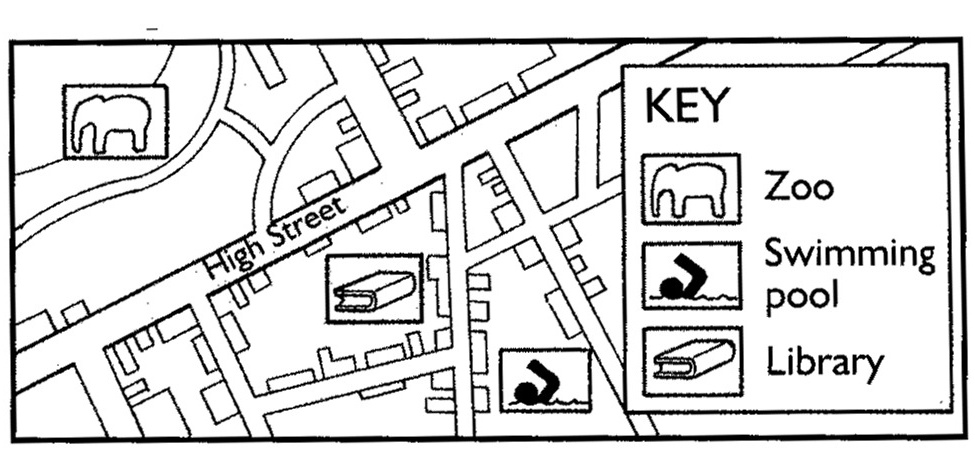 Different types of maps have different uses. Tourist maps, for example, have signs to show places of interest in an area. When tourists read these maps, it is easy for them to find where to go and what to see in a place and it is easy for them to go and find their ways to these places.
Road maps show large areas so that people can plan long journeys. Different types of roads are given different numbers. For example, if you want to go to Wood Green, you just follow No. 621 Road and keep looking at the road signs.
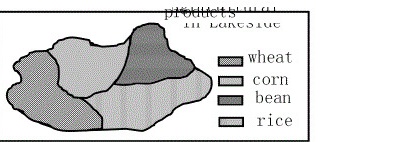 Distribution maps (分布图) use colors or signs to show facts about an area. For example, where different languages are spoken, how many people live in an area, how cold and hot some places are, or whether a place is short of water.
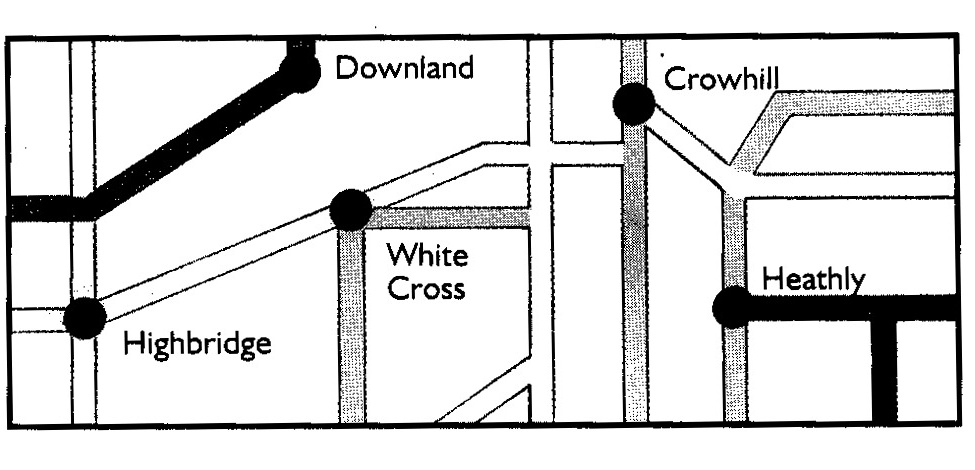 Some maps, such as railway maps, use straight lines to show everything. This is easy for people to read. Trains are fast. People don’t have to think about small places they go past. They just need to know the two ends of their trips.
46. Jim is visiting the Summer Palace. Which map does he need most?
A. A tourist map. B. A road map.
C. A distribution map. D. A railway map.
47. How can you tell different roads on road maps?
A. By using different colors. B. By finding the numbers.
C. By following No. 621 Road. D. By looking at the road signs.
48. Which of the following can distribution maps tell us?
A. How to get to Germany. B. How to plan a long journey.
C. Where a famous museum is. D. Which place is short of water.
49. Why do railway maps use straight lines?
A. Because railways are straight. B. Because people like straight lines.
C. Because people can read them easily. D. Because railways have only two ends.
B
There are many kinds of heroes. Even animals can be heroes. This month’s newsletter tells about three amazing animals. Each one is a hero!
Thumper the Dog
 Thumper was a dog that lived with a family which had a three-year-old son named Benjamin. One day Benjamin wandered into a large field. The grass in the field was taller than he was, so he could not find his way out. Hundreds of people began to search for Benjamin. When they found him, they saw Thumper stayed with Benjamin and kept him warm. So Benjamin had stayed safe and calm.
 Lulu the Pig
The Altsmans had a pet pig named Lulu. One summer the couple went camping and took Lulu with them. The husband went fishing one morning. The wife didn’t feel well, so she and Lulu stayed in the camper. Suddenly Mrs. Altsman fell to the floor. Lulu pushed the camper door open and climbed out to locate help. When a car came by, she lay down in front of it. When the driver got out, Lulu led him back to the camper. The man called for help and Mrs. Altsman was taken to hospital.
 Sugar the Cat
Sugar was a beautiful cat. Three years ago she wandered onto the Woods’ farm in California and Mrs. Woods began feeding her. Mrs. Woods noticed something wrong with the cat’s left leg, but this didn’t make Sugar any less special. Mrs. Woods loved Sugar. Later the couple moved to a new farm in Oklahoma. They gave Sugar to a neighbor who would take good care of her, because they knew she wouldn’t like riding in cars for days. However, Sugar walked across deserts and mountains and traveled more than 1,500 miles to the Woods’ new farm! Mr. and Mrs. Woods could hardly believe their eyes. No one knows how Sugar found her way to Oklahoma.
50. What is the passage mainly about?
A. Lovely pigs. B. Unknown heroes. C. New friends. D. Amazing animals.
51. How did Thumper help Benjamin?
A. By searching for him in the field. B. By finding the way out for him.
C. By staying with him all the time. D. By cutting the grass around him.
52. Why did Lulu lie down on the road?
A. To get help. B. To watch the cars. C. To have a sleep. D. To ask for a lift.
53. What did Sugar do in the story?
A. Sugar tried to find help. B. Sugar protected her owners.
C. Sugar went camping with her owners.D. Sugar went a long way to find her owners.
C Frederick Law Olmsted
Frederick Law Olmsted was born on April 26, 1822, and grew to become nineteenth-century America’s number one landscape (景观) architect. Bad eyesight forced him to abandon his plans to attend university, so he had to choose a new course for his life. As a boy in Hartford, Connecticut, he had always admired natural beauty. So, instead of studying academics, he decided to focus on engineering and farming. In the 1850s, he ended up in charge of creating Central Park in New York City.
Olmsted and a partner entered a design contest for a new park and won with a design patterned after gardens and natural landscapes that Olmsted had seen and admired around the world. To create the new park, they removed nearly 5 million cubic yards of dirt, blew up rock with 260 tons of gunpowder, and planted 270,000 trees and shrubs. In 1864, New Yorkers could have walks along wooded paths, paddle a boat around the lake, or people-watch from the hills. Today, many people cannot imagine New York City without its Central Park.
Maybe it was watching those people enjoy his creation that inspired Olmsted. He became one of the first members of designing committee of Yosemite National Park because he was determined to protect its breathtaking beauty. He did the same for Niagara Falls and helped turn it into a public reserve. Working well into his seventies, Olmsted designed more parks and even an entire Chicago suburb (郊区), Riverside. And to think that bad eyesight led him to create such beautiful places!
54. Which of the following shows what Olmsted did in time order?
a. He studied engineering and farming. b. He took charge of creating Central Park.
c. He gave up his plans to go to university. d. He took part in the designing of Yosemite National Park.
e. He designed a Chicago suburb.
A. a-c-b-d-e B. a-c-d-e-b C. c-a-b-d-e D. c-a-e-b-d
55. Which statement would Frederick Law Olmsted agree to?
A. It is not necessary for young people to go to university.
B. Money provided for public parks should be reduced.
C. Beauty of the natural land should be protected.
D. It is a waste of time entering design contests.
56. We can infer from the passage that ______.
A. Olmsted designed the breathtaking Niagara Falls
B. Olmsted traveled a lot before designing Central Park
C. Olmsted’s poor eyesight contributed to his great creations
D. Olmsted majored in engineering and farming in university
D Train-spotting
Many people around the world have seen Danny Boyle’s movie Trainspotting starring Ewan McGregor, but how many of us really know what train-spotting is all about? Now this is not considered cool in town and the word “train-spotter” in Britain is related to “geek” or “nerd” (someone who seems very ridiculous). But is this reputation really deserved?
First of all, let’s see what train spotting is. It is said that there are some 100,000 train spotters in the UK. Exactly as the title suggests, they spot trains, that is, they stand in train stations, look at the number of each train that leaves and arrives and write it down. The eventual aim is to have seen every train in the country.
Being crazy about railways and trains is not modern and it dates back to 1804. As the number of trains grew and they got faster and faster, so did the interest in them grow. Is this any stranger than people who love cars?
So, what do you need to be a train-spotter? Well, all you really need is a pen or pencil and a notebook to write down the train numbers. Other equipment includes hot tea in a thermos, a camera and some sandwiches for those long afternoons spent on train platforms when you don’t want to risk the delights of railway station food.
It’s interesting to note that despite the “bad name” of train-spotting, there have been famous railway lovers in history, such as Alfred Hitchcock, who filmed them regularly, especially The 39 Steps. There is evidence, too, that being a train-spotter is not necessarily a strange phenomenon in Britain.
One glance at the US train stations should be enough to convince you that train-spotters there are alive and well. In America, they try to call rail lovers “train-fans” and talk of “train-fanning”. Don’t let this fool you—these people are train spotters and there are a lot of them. Each month, two million pages are visited on the website
57. According to the author, what is train-spotting?
A. A way of pastime. B. A type of sport.C. A strange phenomenon. D. A mental problem.
58. What do train-spotters usually do?
A. They keep a careful track of every train. B. They number each railway engine they view.
C. They count the trains passing in front of them. D. They produce films about trains with video cameras.
59. The author writes the article to ______.
A. introduce some famous train-spotters B. encourage readers to do more train-spotting
C. try to present a true picture of train-spotting D. describe the necessary equipment in train-spotting
60. What do we learn from the passage?
A. Train-spotters are much stranger than car lovers. B. Train-spotting relates to a dangerous lifestyle.
C. Train-spotters in the UK tend to fool people. D. Train-spotting is more tolerated in America.
题目解答
答案
47. B
48. C
49. C
50. A
51. C
52. B
53. D
54. B
55. D
56. A
57. D
58. A