题目
Recently,a group of Chinese scientists took things a step further by using 3 D printing technology to create realistic models of human organs.In the past,it was challenging to create a single material that could print all human organs because they are very different from each other.The Chinese research team started by using hydrogel,a soft gel-like material,as the main material. Scientists use hydrogel and other materials for printing human organs.They have various hardness,such as our bones being the hardest and our brains being the softest.To copy the hardness of human organs,the researchers added metallic elements to the hydrogel and regulate their ratio.In this way,some models can be hard,like the bone,and some can be soft.However,the structure inside the human body is also unbelievably complicated,even in the same organ,different parts require different levels of hardness.To make sure the printing results are correct,the team used a specific technology called light-curing in the 3 D printing process.A special light was placed under the printing machine,causing the gel to become strong right after it was printed. ___________.They usually cannot be used for organ transplanting directly,because human cells are likely to recognize them as "enemies" and start to fight against them.These days,scientists are working on bio-printing:using 3 D printing technology to build up various types of cells and materials layer by layer.After that,the printed product will be more acceptable to grow inside the human body.However,this method is in development,and experts are still on the way.They hope it will be used in the medical field within a few years,according to CNN. These 3 D printed organ models are used in various fields,such as testing medical tools and presenting operations.Compared to live organs and animal models,they are also ethically acceptable since they are man-made and printed.To some degree,they can help researchers develop new treatments more efficiently,due to their lower relative cost,commented the Alliance of Advanced Biomedical Engineering website.(1)In the past,what was the main challenge when printing human organs? BA.The cost of printing organs was too high to afford.B.It was hard to use one material for different organs.C.There were too many organs for researchers to print.D.The printing technology was still in the development.(2)The research team make the printing results right by C.A.adding more gel in the process of printingB.controlling the number of metallic elementsC.using light-curing technology while printingD.putting a special light over the printing machine(3)Which sentence can be put in the " A" in Paragraph 3?A.However,the hydrogel materials are not perfectB.The hydrogel materials are quite expensive to developC.Besides,the hydrogel materials have more advantagesD.The hydrogel materials have been applies in many ways(4)From the passage,we know that hydrogel is A.A.used as a main materialB.a hard material like metalC.accepted by human bodiesD.invented by Chinese experts
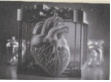 Recently,a group of Chinese scientists took things a step further by using 3 D printing technology to create realistic models of human organs.In the past,it was challenging to create a single material that could print all human organs because they are very different from each other.The Chinese research team started by using hydrogel,a soft gel-like material,as the main material.
Scientists use hydrogel and other materials for printing human organs.They have various hardness,such as our bones being the hardest and our brains being the softest.To copy the hardness of human organs,the researchers added metallic elements to the hydrogel and regulate their ratio.In this way,some models can be hard,like the bone,and some can be soft.However,the structure inside the human body is also unbelievably complicated,even in the same organ,different parts require different levels of hardness.To make sure the printing results are correct,the team used a specific technology called light-curing in the 3 D printing process.A special light was placed under the printing machine,causing the gel to become strong right after it was printed.
___________.They usually cannot be used for organ transplanting directly,because human cells are likely to recognize them as "enemies" and start to fight against them.These days,scientists are working on bio-printing:using 3 D printing technology to build up various types of cells and materials layer by layer.After that,the printed product will be more acceptable to grow inside the human body.However,this method is in development,and experts are still on the way.They hope it will be used in the medical field within a few years,according to CNN.
These 3 D printed organ models are used in various fields,such as testing medical tools and presenting operations.Compared to live organs and animal models,they are also ethically acceptable since they are man-made and printed.To some degree,they can help researchers develop new treatments more efficiently,due to their lower relative cost,commented the Alliance of Advanced Biomedical Engineering website.
(1)In the past,what was the main challenge when printing human organs?
B
A.The cost of printing organs was too high to afford.
B.It was hard to use one material for different organs.
C.There were too many organs for researchers to print.
D.The printing technology was still in the development.
(2)The research team make the printing results right by
C
.A.adding more gel in the process of printing
B.controlling the number of metallic elements
C.using light-curing technology while printing
D.putting a special light over the printing machine
(3)Which sentence can be put in the "
A
" in Paragraph 3?A.However,the hydrogel materials are not perfect
B.The hydrogel materials are quite expensive to develop
C.Besides,the hydrogel materials have more advantages
D.The hydrogel materials have been applies in many ways
(4)From the passage,we know that hydrogel is
A
.A.used as a main material
B.a hard material like metal
C.accepted by human bodies
D.invented by Chinese experts
题目解答
答案
(1)细节理解题。根据第一段In the past,it was challenging to create a single material that could print all human organs because they are very different from each other.(在过去,创造一种可以打印所有人体器官的单一材料是很有挑战性的,因为它们彼此非常不同。)可知,过去创造一个可以用来打印器官的材料十分具有挑战性,因为每个器官都各不相同。故选B。
(2)细节理解题。根据第二段To make sure the printing results are correct,the team used a specific technology called light-curing in the 3 D printing process.(为了确保打印结果正确,该团队在3 D打印过程中使用了一种名为光固化的特定技术。)可知,为了使打印效果更加精确,研究团队在3 D打印程序中使用了光固化这一特殊技术。故选C。
(3)推理判断题。根据第三段They usually cannot be used for organ transplanting directly.(它们通常不能直接用于器官移植。)可知,水凝胶材料(hydrogel materials)不能被直接用于器官移植,所以此处是讲水凝胶材料的弊端,与上文构成转折关系。故选A。
(4)推理判断题。根据第一段The Chinese research team started by using hydrogel,a soft gel-like material,as the main material.(中国研究团队首先使用水凝胶作为主要材料,水凝胶是一种柔软的凝胶状材料。)可知,科学家们使用水凝胶材料作为主要材料。故选A。
(2)细节理解题。根据第二段To make sure the printing results are correct,the team used a specific technology called light-curing in the 3 D printing process.(为了确保打印结果正确,该团队在3 D打印过程中使用了一种名为光固化的特定技术。)可知,为了使打印效果更加精确,研究团队在3 D打印程序中使用了光固化这一特殊技术。故选C。
(3)推理判断题。根据第三段They usually cannot be used for organ transplanting directly.(它们通常不能直接用于器官移植。)可知,水凝胶材料(hydrogel materials)不能被直接用于器官移植,所以此处是讲水凝胶材料的弊端,与上文构成转折关系。故选A。
(4)推理判断题。根据第一段The Chinese research team started by using hydrogel,a soft gel-like material,as the main material.(中国研究团队首先使用水凝胶作为主要材料,水凝胶是一种柔软的凝胶状材料。)可知,科学家们使用水凝胶材料作为主要材料。故选A。
解析
步骤 1:理解问题背景
文章讲述了中国科学家使用3D打印技术来创建人体器官的模型。在过去,由于人体器官之间的差异,很难找到一种材料来打印所有的人体器官。中国研究团队开始使用水凝胶作为主要材料,水凝胶是一种柔软的凝胶状材料。
步骤 2:分析问题(1)
问题(1)询问过去在打印人体器官时的主要挑战是什么。根据文章第一段,过去很难找到一种材料来打印所有的人体器官,因为它们彼此非常不同。
步骤 3:分析问题(2)
问题(2)询问研究团队如何确保打印结果的正确性。根据文章第二段,研究团队在3D打印过程中使用了一种名为光固化的特定技术,以确保打印结果的正确性。
步骤 4:分析问题(3)
问题(3)询问第三段中空白处应填入的句子。根据第三段,水凝胶材料通常不能直接用于器官移植,因为人体细胞可能会将它们识别为“敌人”并开始与它们对抗。因此,空白处应填入一个表示水凝胶材料不完美的句子。
步骤 5:分析问题(4)
问题(4)询问从文章中我们知道水凝胶是什么。根据文章第一段,中国研究团队开始使用水凝胶作为主要材料,水凝胶是一种柔软的凝胶状材料。
文章讲述了中国科学家使用3D打印技术来创建人体器官的模型。在过去,由于人体器官之间的差异,很难找到一种材料来打印所有的人体器官。中国研究团队开始使用水凝胶作为主要材料,水凝胶是一种柔软的凝胶状材料。
步骤 2:分析问题(1)
问题(1)询问过去在打印人体器官时的主要挑战是什么。根据文章第一段,过去很难找到一种材料来打印所有的人体器官,因为它们彼此非常不同。
步骤 3:分析问题(2)
问题(2)询问研究团队如何确保打印结果的正确性。根据文章第二段,研究团队在3D打印过程中使用了一种名为光固化的特定技术,以确保打印结果的正确性。
步骤 4:分析问题(3)
问题(3)询问第三段中空白处应填入的句子。根据第三段,水凝胶材料通常不能直接用于器官移植,因为人体细胞可能会将它们识别为“敌人”并开始与它们对抗。因此,空白处应填入一个表示水凝胶材料不完美的句子。
步骤 5:分析问题(4)
问题(4)询问从文章中我们知道水凝胶是什么。根据文章第一段,中国研究团队开始使用水凝胶作为主要材料,水凝胶是一种柔软的凝胶状材料。